Getting a new lock properly fitted in an Orlando residence hinges on planning, hardware selection, and clean technique. The climate, the door’s material, and your household’s patterns all dictate what hardware belongs on that jamb. I have replaced and installed hundreds of locks around Orange County, and the difference between decent and excellent is in the details you cannot see from the street.
Why Central Florida Conditions Matter for Lock Fitting
Heat, humidity spikes, and wind-driven rain are hard on cylinders, latches, and finishes, creating issues you do not see on a showroom sample. I have seen wooden doors grow just enough in August to make brand-new deadbolts feel sticky by September, then shrink again in January and rattle.
If your door sees afternoon sun and wet evenings, lean toward hardware with corrosion-resistant plating and sealed cylinders. If a client insists on a low-cost knob for a side door, I warn them it may start to pit or drag within a year, especially if unprotected by an overhang.
Lubrication schedules should reflect the climate and usage rather than a calendar you found online. After summer storms, I wipe down exterior locks and test the deadbolt with the door open first, then closed, to catch alignment drift early.
Picking the Right Lock for Your Orlando Residence
Not every lock suits every door or family rhythm, and your best option balances security, convenience, and layout. Apartment doors in concrete frames may require masonry anchors and a different strike approach, but the principle of reinforcing the receiving side remains the same.
How you key the home has security and logistics implications. For a single-family home, I often key the front, garage, and back door alike, then put a different key on the detached shed to reduce risk if that key is lost.
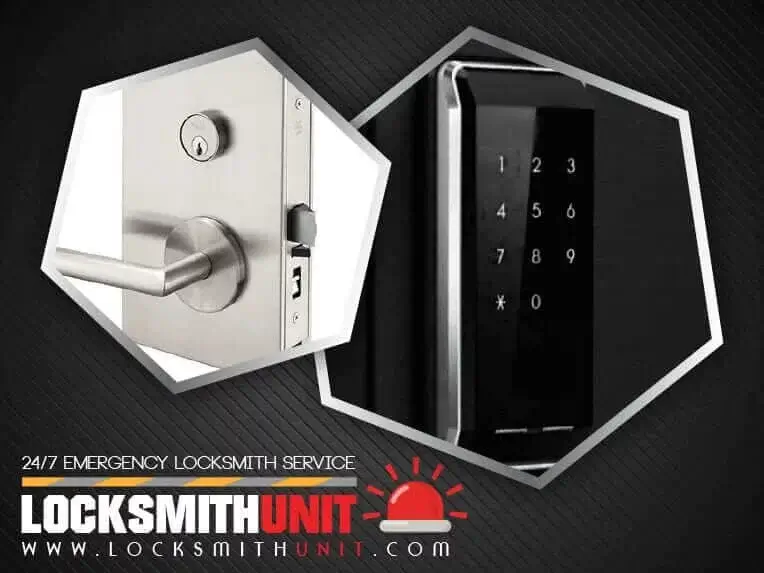
Electronic deadbolts and levers solve some problems and introduce others. For families with teens or caregivers, I like keypad deadbolts with auto-lock and audit trails, but I disable features that can jam the bolt if the door swells.
Upgrading to restricted keyways and hardened cylinders helps, though no lock stands alone against poor door construction. When I fit a high security cylinder, I match it with a reinforced strike, solid screws, and a properly seated deadbolt throw that extends at least one inch into solid framing.
When to Rekey, Fix, or Swap Out Your Locks
The choice between rekeying and replacing depends on the condition of the lock and your security goals. Rekey locks when keys are unaccounted for or after a roommate change, and keep the budget focused on reinforcing strikes and hinges.
Before buying a new set, test the parts in isolation. When a client calls for lock repair, I spend most of the time on the door and frame, then finish with cylinder service.
Outdated locks without hardened inserts, anti-drill shields, or modern latch designs rarely deserve labor dollars. A fresh lock installation can also clean up a door that has been swiss-cheesed by years of mismatched hardware.
How I Fit New Locks So They Work on Day One and Day 700
Good results come from precise layout and predictable holes. I check backset, thickness, edge prep, and hinge integrity, then I mark centers with an awl so bits do not wander.
A lock can look perfect and still feel terrible if the strike is off by a hair. When framing allows, I install a deep security box and use 3 inch screws into the stud, not just the jamb skin.
A smooth keyway comes from clean pins, proper spring tension, and correct tailpiece alignment. I lightly lubricate the plug, check for burrs on the key, and avoid over-pinning that makes keys feel tight in heat.
Final testing is not one twist of the knob; it is a routine. Every installation gets a door swing test, a hinge screw check, and a look at weatherstripping that may be too thick for the new hardware.
When You Need an Emergency Locksmith, What to Expect
House lockouts and car lockouts seem to choose late nights, wet driveways, and full schedules, which calls for steady hands. For an emergency door unlock, I ask simple questions: door type, lock brand, any secondary latches, and whether there is a smart lock in the mix.
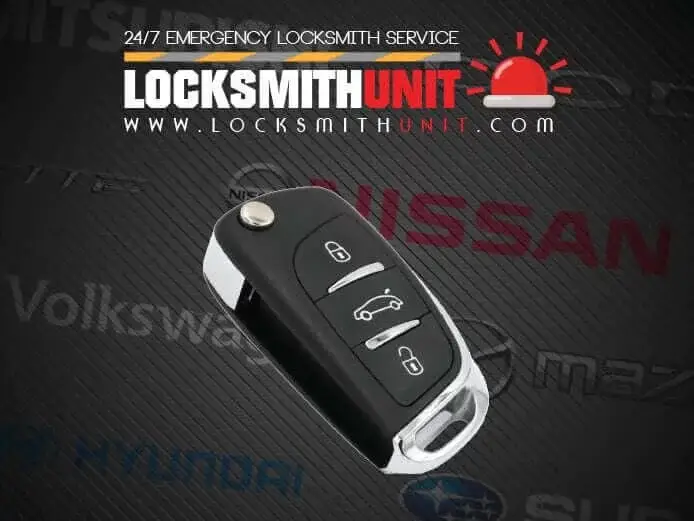
On vehicles, a car locksmith can usually open modern cars without damage using air wedges and long-reach tools, but high-end models may require specialized picks or programming. Key fob replacement and transponder key programming require battery checks and signal verification before coding begins, a step that prevents wasted attempts.
For businesses, an office lockout sometimes hides a failed latch or a power problem on an electronic strike. If drilling is the only path, I protect the surrounding frame, capture chips, and rekey or replace the cylinder on the spot to return the door to service.
Practical Advice for Smart Lock Installation and Setup
Smart locks solve the spare-key-under-the-mat problem, but they need disciplined setup to be safe. Battery life varies by model, but Orlando heat and use patterns can shorten it, so keep fresh cells on hand and set alerts you actually read.
Signal issues create false alarms and lockouts you would rather avoid. I place the bridge off the floor, away from metal appliances, and I do a full-cycle test from the driveway before leaving a job.
No amount of firmware fixes a bolt that drags or a strike that sits too high. Smart lock setup always includes hand-throw tests with batteries removed, then powered cycles under load to confirm consistency.
Where to Spend and Where to Save on Door Security
You can buy better locks all day, but the strike and the door edge are where break-ins often win or lose. A continuous strike, properly fitted, distributes force across more wood and resists splitting, especially on older jambs.
Convenience inside can be a liability outside. I often recommend double-cylinder deadbolts on doors with reachable glass, but only where code allows and with a strict key policy to avoid life-safety risks.
None of those costs much compared to a loss. I advise clients to lock doors even when stepping out for five minutes, because many quick thefts exploit short lapses.
Choosing the Right Pro: Vetting and Expectations
Hiring well starts with a few simple questions and a look at how the pro handles details. Describe the door material, existing hardware, and any prior issues like sticking or rattling, so the tech brings the right parts.
Balance urgency with the right hardware choice. For larger projects, such as a master key system or multiple deadbolt installation points, plan a walkthrough where the locksmith maps keying logic with you.
Transparency on brands and grade levels will save you from mismatched finishes and underperforming parts. I carry examples of Grade 1 and Grade 2 deadbolts, explain the internal differences, and show why certain screws and strikes are non-negotiable.
Apartments and Condos: Special Rules, Smarter Choices
Compliance is part of the craft here. If you rent, coordinate with property management so your locksmith can document the new keying and update any master key system records.
Choosing quiet hardware earns goodwill. Keypad tones can be muted on many models, and I disable audible beeps unless a client specifically requests them.
Access management in shared spaces benefits from consistent keying standards and simple processes. If the building uses a master key system, I strictly control who can request changes and verify identity before cutting duplicates.
Common Problems After Installation and How We Fix Them
You can fix these without replacing the lock. Where weatherstripping bulges, seat it properly or trim a sliver so the bolt seats without extra force.
Power complaints are frequently alignment complaints in disguise. Move the bridge away from metal boxes that force the lock to boost signal constantly, which eats batteries.
Not every duplicate is a faithful copy. I carry high-quality blanks that match restricted or proprietary keyways when the system requires it.
More Than Deadbolts: Comprehensive Services That Help
A capable local locksmith does more than unlock houses and change locks. For garages and shops, I service padlocks, hasps, and file cabinet locks, rekeying them to reduce how many keys you carry.
You do not always need the dealer for keys. Transponder key programming varies by model, but many can be completed curbside within an hour if the immobilizer cooperates.
Consultation may be the most valuable service of all. For families planning renovations, I coordinate with contractors so new doors are bored correctly and frames are reinforced before paint hits the jamb.
Stories That Explain Why Technique Beats Guesswork
A bungalow near Lake Eola had a sticky deadbolt every August, even after two replacements. The deadbolt started throwing with two fingers, and it stayed that way through the next rainy season.
The door was actually the culprit. The bolt scraped the strike by a millimeter, and the motor strained on every cycle, so I adjusted the hinges, moved the strike, and turned off auto-lock until the tests came back clean.
A Winter Garden garage entry had a keyed knob but no deadbolt, and the owner assumed the metal door was enough. We keyed it to match the front door and added a soft-close adjustment to the closer so the bolt would not smash into the strike.
Budgeting for Lock Installation Without Surprises
Clear scope makes for predictable numbers. Smart lock installation runs more when programming and bridge placement are involved, especially if alignment work is required first.
Time on site varies more by door condition than by the lock itself. Apartments with metal frames can be quick if the bores match, but added time appears when anchors need rework.
Scope creep is manageable if named early. When a client asks for key duplication after installation, I cut two fresh keys from code to ensure smooth operation and leave one sealed as a backup.
A Simple Homeowner Checklist for Smooth Lock Projects
Small actions help the pro focus on the work.
- Clear the doorway and remove any decorations or wreaths that block access to the bore holes. Check that the door closes and latches without lifting, and note any sticking points. Gather existing keys and, if possible, the lock brand names from the interior plates. Decide which doors should be keyed alike and which should stay separate for storage or sheds. Charge your phone if coordinating smart lock apps, and have Wi-Fi details ready if needed.
If you are unsure about any step, your local locksmith can guide you on the phone before the visit.
Final Thoughts From the Field: Doing It Right, Not Twice
The lock, the strike, and the door all need to cooperate, or you will fight the hardware daily. If you want keyless convenience, set https://prokvxu113.tearosediner.net/security-locks-orlando-upgrade it up with codes, batteries, and alignment in mind so the electronics are helping rather than straining.
You do not need to overspend to get reliability. Test your deadbolt monthly with the door open and closed, listen for drag, and correct strikes early before they carve the bolt.
Care, measurement, and follow-through make the difference across addresses and budgets. Work with a local locksmith who respects the details, and your doors will feel better, last longer, and protect more effectively.